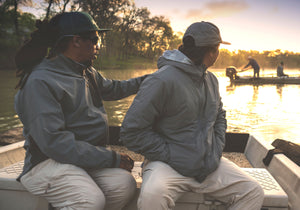

Many wet fly patterns have proven themselves over decades of British stillwater fishing. These flies imitate common food sources such as midges, caddis pupae, and aquatic nymphs.
Below are some of the best wet flies UK anglers consistently rely on.
Diawl Bach
The Diawl Bach (Welsh for “Little Devil”) is widely regarded as one of the most effective stillwater trout flies in the UK. Originally developed in Wales, this subtle pattern imitates a range of aquatic nymphs and midge pupae.
Why it works
-
Slim profile closely resembles natural nymphs
-
Natural colours blend with most stillwater environments
-
Effective throughout spring, summer, and autumn
The Diawl Bach is especially effective when fished on a team of flies using a slow retrieve or figure-of-eight retrieve. Many anglers fish it on the dropper in a multi-fly setup because its natural appearance often draws takes from cautious trout.
Best fishing situations
-
Clear stillwaters
-
When trout are feeding on small nymphs or buzzers
-
On floating or intermediate lines
Claret Buzzer
Buzzers imitate midge pupae—the single most common food source in many British lakes and reservoirs. The Claret Buzzer is one of the most reliable patterns when trout are feeding on emerging insects.
Why it works
-
Represents midge pupae during hatches
-
Effective in calm conditions when fish are feeding mid-water
-
Simple yet realistic pattern
On many stillwaters, trout patrol just beneath the surface feeding on emerging buzzers. Fishing a team of buzzers at different depths can be extremely productive during these feeding periods.
Best fishing situations
-
Spring and summer buzzer hatches
-
Calm mornings and evenings
-
Suspended under an indicator or slowly retrieved
Partridge and Orange
Few flies are as timeless as the Partridge and Orange, a classic soft-hackle wet fly. Its simplicity is precisely what makes it so effective.
Why it works
-
Soft hackle creates natural movement in the water
-
Suggests emerging insects rather than imitating one specific species
-
Extremely versatile across different stillwaters
The Partridge and Orange is ideal when trout are feeding on emerging insects near the surface film. The pulsating hackle fibres move naturally with the retrieve, triggering instinctive strikes.
Best fishing situations
-
Light insect activity
-
Early season fishing
-
Slow retrieves on floating lines
Gold-Ribbed Hare’s Ear
The Gold-Ribbed Hare’s Ear is a legendary nymph pattern that works equally well in rivers and stillwaters. Its buggy appearance imitates a wide variety of aquatic insects.
Why it works
-
Natural dubbing creates lifelike movement
-
Gold rib adds flash that attracts attention
-
Can represent multiple nymph species
In stillwater fly fishing, the Hare’s Ear often performs well when fish are feeding deeper or when conditions are slightly coloured. It’s commonly used as a point fly to help sink a team of flies.
Best fishing situations
-
Early season or cooler water
-
Slightly coloured water
-
When trout are feeding deeper
Peacock and Claret
The Peacock and Claret is another classic British wet fly that continues to produce fish on reservoirs and smaller stillwaters.
Why it works
-
Peacock herl adds natural iridescence
-
Dark body creates a strong silhouette
-
Effective as a general attractor pattern
This fly doesn’t represent a specific insect but suggests a range of subsurface prey. As a result, it works well when trout are opportunistically feeding.
Best fishing situations
-
Overcast conditions
-
Searching new water
-
Fished as a middle dropper in a team
Silver Invicta
The Silver Invicta is a traditional wet fly with flashy wings and a bright body, making it highly visible underwater.
Why it works
-
Reflective materials catch light and attract trout
-
Suggests emerging insects or small baitfish
-
Excellent searching pattern
When fish are spread out or feeding aggressively, the Silver Invicta can help trigger reaction strikes.
Best fishing situations
-
Windy or choppy conditions
-
Larger reservoirs
-
Faster retrieves
Red Tag
Although originally designed as a river fly, the Red Tag has become a favourite among stillwater anglers.
Why it works
-
Bright red tail acts as an attractor
-
Peacock body adds flash and movement
-
Effective for aggressive trout
The Red Tag is especially useful when fish are actively feeding and willing to chase a moving fly.
Best fishing situations
-
Summer fishing
-
Windy days with surface chop
-
Fast figure-of-eight retrieves
How to Fish Wet Flies on British Stillwaters
Selecting the best wet flies UK anglers recommend is only part of the equation. How you fish them is equally important.
Use a Team of Flies
Stillwater anglers often fish two or three flies spaced along the leader. This approach covers multiple depths and increases your chances of matching what trout are feeding on.
Experiment with Retrieves
A wet fly can be fished using a variety of retrieves, including:
-
Slow figure-of-eight retrieve
-
Short pulls with pauses
-
Steady medium retrieve
Changing your retrieve can dramatically affect how trout respond. On some days, a slow and subtle presentation works best, while other days require more movement to trigger strikes.
Adjust Your Depth
Trout can feed at different depths depending on temperature, insect activity, and light levels. Adjust your line type, leader length, or weighted flies to target the right part of the water column.
Building a Stillwater Wet Fly Selection
If you’re putting together a fly box for stillwater fly fishing, focus on versatility rather than quantity.
A well-balanced stillwater selection should include:
-
Natural nymph imitations (Diawl Bach, Hare’s Ear)
-
Buzzer patterns for midge hatches
-
Traditional wet flies like Partridge and Orange
-
Attractor flies such as Silver Invicta or Red Tag
Many experienced anglers rely on a handful of trusted patterns that account for a large percentage of their catches each season.
Final Thoughts
Stillwater trout fishing in the UK offers incredible opportunities, whether you’re casting on a small local lake or a large reservoir. Having the best wet flies UK anglers trust gives you a strong foundation for success.
Patterns such as the Diawl Bach, Claret Buzzer, Partridge and Orange, and Gold-Ribbed Hare’s Ear have proven themselves across decades of British fly fishing. By combining these reliable flies with thoughtful presentation and careful observation of conditions, you’ll be well equipped to tempt trout beneath the surface.
Whether you’re new to stillwater fly fishing or refining your fly selection for the coming season, keeping these proven wet fly patterns in your box will ensure you’re ready whenever trout start feeding below the surface.