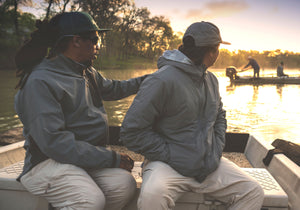

Fly fishing is a wonderful way to connect with nature, but with that privilege comes responsibility. As anglers, we’re not just guests on the riverbank—we share that space with a broad array of wildlife. Understanding how to fly fish and wildlife together safely ensures healthy ecosystems, happier animals, and better fishing in the long run. In this article, we explore fishing safety animals, how anglers can responsibly interact with local wildlife, and practical steps you can take to protect both the fish you’re targeting and all the creatures around.
Why Fly Fishing and Wildlife Must Go Hand‑in‑Hand
Before casting your first fly, it's worth considering the wider environmental context. The rivers, lakes, and streams used for fly fishing are ecosystems that sustain birds, mammals, amphibians, insects, and plants. Disturbing them can have ripple effects—on spawning areas, on nesting or resting sites, or by introducing pollution or pathogens.
For a brand like Orvis, which encourages respect for nature, “fly fishing and wildlife” isn't just about ugly rules—it’s about stewardship. When anglers act with care, both nature and fishing thrive.
Key Wildlife You May Encounter
Understanding who you share the riverbank with helps you make safe, informed choices. A few of the common animals you might come across (depending on region, season, habitat):
-
Fish species: trout, grayling, salmon, char, coarse fish
-
Birds: kingfishers, herons, dippers, waterfowl (ducks, geese), wagtails
-
Mammals: otters, water voles, beavers (where present), foxes, deer
-
Reptiles/Amphibians: frogs, toads, newts,
-
Insects & macroinvertebrates: mayflies, caddisflies, stoneflies, dragonflies etc. – many of which are sensitive to water quality and disturbance
Every one of these species plays a role. For example, aquatic insects are food for fish; birds and mammals often need undisturbed banks and clean water.
Common Risks to Wildlife from Fly Fishing
Being aware of possible conflicts ensures you can minimise harm. Here are key risks:
-
Disturbance of habitat
Wading can trample spawning beds or aquatic insect larvae; walking on riverbanks may damage vegetation or disturb nesting birds. -
Hook injuries
Occasionally birds or mammals may be hooked accidentally, or fly lines entangle small creatures. -
Pollution or litter
Leaving fishing line, fly boxes, bait packaging etc., can trap or injure animals; chemicals (e.g. lead weights) or non-biodegradables can degrade ecosystems. -
Water quality issues
Introducing non-native species, using dirty equipment, or disturbing sediment can affect water clarity and quality, which matters for fish and invertebrates alike. -
Feeding wildlife
Feeding birds or mammals from the riverbank can alter natural behaviours, harm health (if given inappropriate food), and make animals dependent or bold in harmful ways.
Fishing Safety Animals: What Anglers Should Know
“Fishing safety animals” can be thought of two-fold: safety for animals (i.e. how to avoid harming them) and safety from animals (how to avoid dangerous encounters). Let’s look at both sides.
Safety for animals
-
Use barbless or micro‑barbed hooks so that, if a non‑target animal is hooked, removal causes less damage.
-
Use correct fly sizes and avoid casting large streamers or heavy flies in tight spaces where birds or mammals might get hooked by accident.
-
Keep a pair of forceps or hemostats in your kit for safely removing hooks from wildlife, ideally with antiseptic for cleaning wounds.
-
Avoid wading through spawning gravels during fish breeding seasons; step carefully to minimise sediment disturbance.
-
Always pack out what you pack in—fishing line, tippet, packaging—and properly dispose of waste. Snapped lines are especially dangerous (they can float or sink and entangle).
Safety from animals
While most wildlife is harmless, some situations demand caution:
-
Be aware of territorial animals (some birds during nesting season, mammals like beavers during breeding) and keep respectful distance.
-
In warmer weather, ticks can be an issue; wear suitable clothing, check for ticks after being near vegetation.
-
Riverbanks may harbour adders (depending on region), insects like biting flies or midges; carrying insect repellent and wearing long sleeves helps.
-
If fishing in areas with larger mammals (e.g. deer, wild boar), avoid surprising them—make noise, especially when visibility is low.
How Can Anglers Responsibly Interact with Local Wildlife?
One of the “related questions” you asked: How can anglers responsibly interact with local wildlife? Here are best practice suggestions.
Plan Ahead — Know the Area
-
Research the location: what kind of wildlife is present, any protected species or nesting sites, breeding seasons.
-
Respect closures or restrictions (e.g. certain stream stretches closed for spawning salmon).
-
Learn about local by‑laws or codes of conduct for conservation.
Be Mindful of Timing
-
Many birds nest in spring; fish spawn in specific seasons; amphibians may be more active at certain times (e.g. dusk, dawn). Avoid sensitive areas during these periods.
-
Consider fishing early or late in the day to reduce disturbance—many animals rest midday.
Keep a Respectful Distance
-
When you see wildlife (birds nesting, mammals foraging, etc.), avoid getting too close; use binoculars for observation.
-
Keep noise levels low — talking quietly, avoid sudden movements.
-
Stay on existing paths or wading channels to avoid trampling vegetation.
Use Appropriate Equipment and Techniques
-
Barbless or crushed‑barb hooks for ease of removal.
-
Fly choices that match the environment—not too big, flashy or heavy where they’re likely to cause unintended attraction or danger.
-
Tied‑on leaders/tippets should be strong enough to avoid breakage, yet disposed of properly.
Minimise Pollution & Disturbance
-
Pack out all litter: hooks, line, packaging, bait containers.
-
Use biodegradable or less harmful materials where possible.
-
Clean your gear (boots, waders, fly boxes) between fishing in different rivers to avoid transferring invasive species.
Observe, But Don’t Disturb
-
Wildlife observation can enhance fly fishing—but avoid interfering (e.g. avoid feeding, chasing, or trying to touch wild animals).
-
Photograph rather than handle, unless helping a wounded creature.
Safety in Practice: Case Studies & Tips
Here are some practical scenarios and how to act wisely.
|
Scenario |
Best Practice |
|
You see a nest of birds on a bank you were planning to wade through |
Shift your wading route; avoid that bank until nesting season is over. |
|
You accidentally hook a bird or mammal |
Use forceps safely, approach quietly; if in doubt or injury is severe, contact local wildlife rescue. Seek guidance from wildlife‑rescue resources. |
|
Your tippet or leader breaks, leaving line floating |
Retrieve line where safe; always carry extra tippet so you can replace frayed or broken sections safely. |
|
Fishing in drought or low water conditions |
Avoid wading into shallow pools that are key to juvenile fish or amphibian refuges; reduce fishing pressure; choose locations with better flow. |
Orvis UK’s Commitment: Encouraging Responsible Fly Fishing
At Orvis UK, we believe in encouraging anglers to enjoy the sport while protecting the environments that make it possible. From our fly fishing beginner guides to our product design, these are ways we incorporate responsibility:
-
Offering education: free learn‑to‑fly‑fish classes, advice on equipment and how to use it with minimal environmental impact.
-
Designing gear with ethics in mind: durable materials, options for barbless hooks, packaging that reduces waste.
-
Supporting conservation: partnerships with local habitat protection groups, advocacy for wildlife‑friendly policies.
Checklist Before You Head Out
Here’s a practical checklist to ensure you fly fish with wildlife safety in mind:
✔ Research the area: species present, breeding/nesting seasons
✔ Pack gear: forceps, barbless hooks, extra tippet, insect repellent, proper clothing
✔ Bring waste bags for litter & fishing line
✔ Choose your route to minimise habitat disturbance
✔ Keep noise low
✔ Observe from a distance; avoid touching or feeding wildlife
✔ Clean gear between locations
Conclusion
Fly fishing is about more than catching fish—it’s about experiencing wild places and wildlife that make those moments possible. By combining a love of the sport with care and respect, anglers can preserve the natural beauty of riverbanks, protect sensitive animals, and ensure that future generations enjoy fly fishing too.
When practising fly fishing and wildlife safety, think of yourself as a guardian of the riverbank. Use your skills wisely, follow best practices, reduce risks, and always interact responsibly. The river, its wildlife, and your fishing will all be better for it.