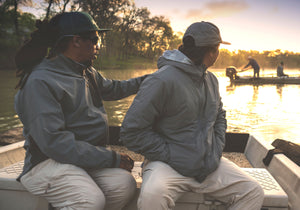

Few places in Europe capture the imagination of fly anglers quite like the Scottish Highlands. Vast landscapes, wild rivers, and remote hill lochs create an environment that feels tailor-made for exploration with a fly rod. For anglers willing to spend several days on the water, the rewards can be exceptional.
A well-planned multi-day fishing trip in Scotland allows you to fish different waters, adapt to changing hatches, and experience the rhythm of Highland angling in a way that day trips rarely allow. However, the region’s remote nature and unpredictable weather mean preparation is essential.
If you’re planning a fly fishing Highlands adventure that lasts several days, thoughtful planning, the right equipment, and smart packing will ensure your trip is both productive and enjoyable.
Why the Scottish Highlands Are Ideal for Multi-Day Fly Fishing
The Highlands offer a remarkable diversity of fly fishing opportunities. Within a relatively small area you can find small mountain burns, large salmon rivers, and hundreds of wild trout lochs scattered across the hills. Many of the most productive waters lie far from towns and major roads, which makes them particularly well suited to longer trips.
Spending several days in one region allows anglers to properly explore the water. Instead of rushing between locations, you can learn how a river behaves, observe insect activity, and return to productive stretches at the right time of day. It also allows you to fish evening hatches and early morning rises—often the most productive windows for trout.
Another advantage of a multi-day fishing trip is flexibility. Highland weather can change quickly, and conditions that seem challenging one afternoon can become perfect the following morning. Having several days available means you can adapt rather than abandon your plans.
Planning Your Fly Fishing Trip in the Highlands
Preparation for a Highland fishing trip begins well before you arrive at the water. The most successful anglers spend time researching rivers, access arrangements, and the seasonal conditions they are likely to encounter.
Many Highland fisheries operate on permit systems, and some rivers are divided into beats that must be booked in advance. Planning ahead ensures you can access the waters you want to fish rather than discovering they are unavailable once you arrive.
Seasonality is also important. Spring often produces excellent trout fishing as water temperatures begin to rise and insect activity increases. Summer brings longer days and strong dry fly opportunities, particularly on lochs and slower rivers. Autumn, meanwhile, can provide superb grayling fishing and quieter waters as the main tourist season ends.
Accommodation should also be considered early in the planning process. Depending on the location and style of trip, anglers may choose to stay in a fishing lodge, a small rural inn, a campsite, or even a traditional bothy. Some anglers prefer to move between locations during their trip, while others base themselves near a productive river system and explore it thoroughly over several days.
Choosing the Right Fly Fishing Gear
Reliable tackle is fundamental when fishing in remote areas. In many parts of the Highlands, the nearest fly shop may be hours away, so bringing dependable equipment—and ideally a backup—is always wise.
A versatile trout setup is often the best starting point. For many Highland waters, a five- or six-weight fly rod offers an excellent balance between delicacy and control. Such rods handle dry flies well but still provide enough strength for nymphing deeper runs or casting small streamers across lochs.
Many experienced anglers bring two rods on longer trips. The second rod serves as insurance in case of damage but also allows for quick changes between fishing styles. One rod might be rigged for dry flies while another is prepared for nymphing or loch-style fishing.
A dependable reel with a smooth drag system is essential, particularly when fishing larger rivers where strong trout—or the occasional salmon—may appear. Carrying a spare spool with an alternative line can also be helpful, especially when conditions change.
Beyond rods and reels, a well-organised selection of flies is crucial. Highland waters support a wide range of insect life, including olives, sedges, and midges, and matching these hatches can make a significant difference. Dry flies are particularly effective on calm evenings when trout rise steadily, while nymphs and small streamers often produce results during slower periods.
Leaders, tippet material, floatant, and simple tools such as nippers and forceps should always be part of your kit. Although these items are small, they are indispensable on the water and difficult to replace if forgotten.
What Should You Pack for a Multi-Day Fly Fishing Trip to Scotland?
Packing for Scotland requires a balance between preparedness and portability. The key principle is to pack light but ensure you have all essential gear.
Fishing Equipment Checklist
Core tackle for a Highland trip should include:
-
Fly boxes with varied patterns
-
Waders and wading boots
-
Tools (nippers, forceps, floatant)
Waders and boots are essential for accessing deeper pools and navigating rocky Highland riverbanks safely.
Clothing for Variable Highland Weather
The Scottish climate is famously unpredictable. Anglers may encounter sunshine, wind, and rain within the same day.
Layering is the best strategy. Consider bringing:
-
Moisture-wicking base layers
-
Mid-layer fleece or wool
-
Waterproof fishing jacket
-
Lightweight fishing trousers
-
Warm hat and gloves
Fleece and wool mid-layers are particularly useful for adapting to fluctuating temperatures in outdoor environments.
Personal and Outdoor Essentials
For longer trips, include:
-
Headlamp or torch
-
First aid kit
-
Water bottle or hydration system
-
Energy snacks
-
Sunscreen and insect repellent
-
Power bank for electronics
These essentials help maintain safety and comfort during extended days outdoors.
Packing Efficiently for Remote Fishing
One of the most common mistakes anglers make when preparing for longer trips is packing far more equipment than they actually use. While preparation is important, efficient packing helps keep your gear manageable and organised.
Many anglers find it useful to separate their equipment into clear categories before packing. Fishing gear, clothing, and personal essentials can each be stored in dedicated sections of your bag. Waterproof dry bags are particularly useful for protecting spare clothing and electronic devices from rain or accidental splashes.
A compact fishing pack or sling bag is ideal for carrying the items you need during the day. Keeping frequently used tools—such as tippet spools, floatant, and nippers—within easy reach saves time and helps maintain focus on the water.
The aim is not to carry everything you own, but rather to bring a carefully chosen selection of gear that covers the conditions you are likely to encounter.
Developing a Strategy for Multiple Days on the Water
One of the great advantages of a multi-day fishing trip is the opportunity to learn and adapt to the water you are fishing. Rather than rushing through unfamiliar rivers, you can gradually build an understanding of how fish behave in different conditions.
The first day often serves as a period of exploration. Observing insect activity, studying current seams, and noting where fish rise can provide valuable insight for the rest of the trip. Even if catches are limited, the information gathered can be invaluable.
As the trip progresses, anglers can refine their approach. Returning to productive pools, experimenting with different flies, and adjusting tactics as conditions change often leads to better results. Early mornings and evenings frequently produce the most consistent feeding activity, particularly during the warmer months.
By the final days of the trip, many anglers find themselves fishing with greater confidence and precision, having learned where fish are holding and which flies they prefer.
Safety and Environmental Awareness
While the Highlands offer remarkable fishing opportunities, they also demand respect. Rivers can rise quickly after heavy rain, and uneven terrain makes careful wading essential.
Checking weather forecasts before setting out is always advisable, and letting someone know your intended location adds an extra level of safety. A wading belt and, where necessary, a wading staff can provide additional stability in fast water.
Responsible angling is equally important. Following local regulations, practising catch-and-release where appropriate, and taking care not to damage riverbanks helps protect Scotland’s fisheries. These landscapes are both fragile and historic, and respectful behaviour ensures they remain healthy for future anglers.
Enjoying the Full Highland Experience
Although catching fish is often the main goal, a multi-day trip in the Highlands offers far more than just angling. The landscapes themselves are extraordinary, and spending extended time in them creates a deeper connection with the environment.
Evenings beside quiet lochs, mist rising from river valleys at dawn, and the occasional sighting of red deer or golden eagles all contribute to the experience. These moments are often just as memorable as the fish you land.
Taking time to slow down, observe the surroundings, and appreciate the setting is part of what makes Highland fly fishing so special.
Final Thoughts
A successful fly fishing Highlands adventure depends on careful preparation. Planning your waters, packing reliable equipment, and preparing for Scotland’s changeable weather will help ensure your multi-day fishing trip runs smoothly.
With the right gear, a thoughtful strategy, and a willingness to adapt to the conditions, the Highlands offer some of the most rewarding fly fishing experiences in the UK. And when preparation is done well, you are free to focus on what truly matters—casting to wild trout in some of the most beautiful waters in the world.