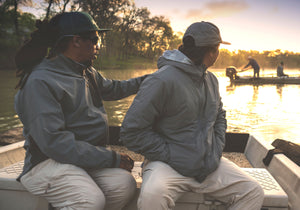

Travel broadens horizons, connects us with nature’s hidden waterways, and brings fresh challenges for fly anglers. Whether you’re chasing bonefish in the Bahamas, trout in New Zealand, or salmon in Iceland, preparing your fly fishing travel gear and travelling with rods demands careful planning. This guide offers clear guidance to help you confidently travel internationally with fly fishing gear — from packing tips and airline policies to destination preparedness and post-arrival rigging.
Why Planning Matters for Fly Fishing Travel Gear
When you’re planning your next angling holiday abroad, nothing impacts your trip more than the way you handle your equipment. Fly fishing gear isn’t like regular luggage: rods are long and fragile; reels hold valuable line and backing; waders and boots are bulky. Mistakes at the airport or at customs can mean delays, broken rods, or worse — missing out on the best fishing of your life.
In this article, we cover everything you need to know about fly fishing travel gear, travelling with rods, air travel policies, and proven packing strategies that reduce stress and protect your gear.
Understanding Airline Policies for Fly Fishing Travel Gear
Research Before You Book
Different airlines have different rules for sporting equipment. When preparing your fly fishing travel gear, start by checking your airline’s website or customer service info for their specific policies:
-
Maximum size limits
-
Extra fees or surcharges
-
Definition of sporting equipment vs standard baggage
-
Fragile item handling procedures
Most carriers treat fishing rods and reels as sporting equipment, but some allow them as part of standard checked baggage if they fall within the size/weight limits.
Ask About Carry-On Options
Always ask whether part of your gear can be taken as carry-on — especially expensive fly reels or rod sections. Even if your main rod tube must be checked, having reels, leaders, or delicate flies with you can reduce risk of damage or loss.
Document Your Policy
Airline policies may change seasonally. Print or screenshot the policy before heading to the airport so you can reference it at check-in if needed.
Preparing Fly Fishing Travel Gear for International Flights
Choose the Right Rod Case
Your choice of rod tube is the most important decision when travelling with rods. Two primary options exist:
-
Hard cases: Offer the best protection and are ideal for long flights, multiple transfers, or rugged baggage handling.
-
Soft cases with reinforcement: More lightweight and flexible, but only recommended if you add foam or wrap rods carefully.
A quality rod case protects your investment and ensures you arrive ready to fish.
Break Down Your Rods Properly
Most fly rods come apart into multiple sections. Before packing:
-
Clean and dry each section.
-
Wrap each piece individually with cloth, foam, or padded sleeves.
-
Bundle guides so they do not press against each other.
When possible, place smaller sections on top of larger ones and secure them to minimise movement during transit.
Secure Reels Inside Your Case
Reels should be removed from rods and packed separately or secured inside the rod case:
-
Cover reels with a soft cloth or padded pouch.
-
Loosen the drag to relieve pressure on internal components.
-
Wrap exposed line to avoid tangling.
Packing reels well protects precision mechanics from shock and temperature change.
Packing Tips for Fly Fishing Travel Gear Beyond Rods
Waders and Boots
Waders and boots are essential, but they’re heavy and take up space. To pack them efficiently:
-
Place waders inside your checked bag or in a separate waterproof bag.
-
Pack boots in a boot bag or wrap them to prevent dirt or odours from spreading.
-
Use the interior space of waders for smaller items like socks, tippet spools, or gloves.
Flies, Leaders, and Tackle
Fly boxes and tackle are ideal as carry-on items. Keep important fishing accessories with you so they aren’t lost or damaged:
-
Organise flies by type and destination. For example, saltwater patterns might differ from river dry flies.
-
Label your boxes clearly for easy identification at security checkpoints.
-
Consider a small, waterproof organiser for hooks, leaders, and tools.
Clothing and Technical Gear
Packing technically correct clothing helps manage varying climates:
-
Breathable, quick-dry shirts and trousers
-
Sun protection gear (hat, gloves, SPF fabric)
-
Layered clothing for colder destinations
Compressible packing cubes help keep your fly fishing travel gear compact and organised.
Navigating Security and Customs When Travelling with Fly Fishing Gear
At Airport Security
In the UK and most international airports, anything with sharp points (hooks, tools) must go in checked luggage or be presented separately at the security checkpoint:
-
Pack hooks and sharp gear securely in a box to avoid injury or confusion.
-
Be ready to open your rod tube or case if security officers request inspection.
-
Always allow extra time at the airport for sports gear checks.
Customs Regulations for Fishing Gear
Different countries have specific regulations regarding the importation of fishing equipment:
-
Some destinations allow temporary importation of fishing rods and gear without duties.
-
Others may require declaration and inspection to prevent introduction of invasive species, especially if equipment was used abroad previously.
Before departure:
-
Review destination customs regulations for sporting equipment.
-
Have proof of purchase or ownership for high-value items.
-
Clean gear thoroughly to avoid soil, plant matter, or aquatic contaminants.
Intercontinental Connections and Layovers
Multiple Transfers: A Strategic Packing Approach
If your itinerary has several stops, your fly fishing travel gear may be handled multiple times. To minimise risk:
-
Keep your rod case as your last check-in item and first retrieval upon landing.
-
Use protective labels such as “Fragile: Fishing Rods” to alert baggage handlers.
-
Consider an extra layer of padding for long layovers or connecting flights.
Customs at Layovers
In some countries, you clear customs at the first point of entry, not the final destination. Therefore:
-
Know whether you must declare your gear at each stop.
-
Keep documentation and receipts accessible in your carry-on.
Arriving at Your Destination: Setup and Local Regulations
Inspect Gear Immediately
Once you land:
-
Open and inspect your rods and reel.
-
Check for damage or missing parts.
-
Reassemble rods carefully and ensure line, tippet, and leaders are ready.
Early inspection gives you time to visit local outfitters for last-minute supplies if needed.
Follow Local Fishing Laws and Licensing
Each destination has specific fishing regulations:
-
Many countries require licences for both freshwater and saltwater fishing.
-
Seasonal closures may apply to certain species.
-
Catch limits and gear restrictions vary by region.
Before you fish, visit local fisheries departments or trusted guides to ensure compliance.
Destination-Specific Considerations for Fly Fishing Travel Gear
Cold Climate Expeditions
If you’re heading north:
-
Pack layers and insulated gloves.
-
Use silica gel packs in your gear to reduce condensation build-up.
-
Consider heavier leaders and flies suited for larger, hard-fighting fish.
Saltwater Adventures
For saltwater fly fishing trips:
-
Carry corrosion-resistant reels and line.
-
Rinse gear with fresh water before packing on your return journey.
-
Add extra padding around saltwater rods as they are often longer.
Remote and Backcountry Locations
When accessing remote rivers or mountain spots:
-
Travel light but smart — every ounce counts.
-
Double-check gear needs with your guide service.
-
Maintain redundancy for essential equipment (e.g., extra tippet, spare leader).
Return Travel and Protecting Your Investment
Clean and Dry Before Leaving
Cleaning gear isn’t just good practice — many countries mandate it:
-
Remove all organic matter from waders, boots, and nets.
-
Dry equipment fully to avoid mould.
-
Coil and stow lines so they do not tangle during travel.
Air Travel on the Return Leg
On your return journey:
-
Confirm airline policies again (especially for different carriers).
-
If you purchased new gear abroad, keep receipts for duty enquiries.
-
Report any damage immediately upon retrieving luggage.
Fly Fishing Travel Gear Checklist
To simplify preparation, here’s a concise checklist for international travel with fly fishing gear:
-
Rod case (hard or reinforced)
-
Fly rods packed section-by-section with protective wraps
-
Reels removed, covered, and padded
-
Waders and boots in waterproof bag
-
Fly boxes labelled and organised
-
Tools, leaders, and accessories stored securely
-
Clothing packed efficiently with layering options
-
Documentation for customs (licences, receipts)
-
Check airline sports gear policies
-
Destination fishing regulation research completed
Practical Considerations for Responsible Fly Fishing Travel
An often-overlooked part of the fly fishing lifestyle is the responsibility that comes with travelling to fish different waters, particularly abroad. Regulations can vary significantly between countries and even between fisheries, so it’s important to prepare accordingly. One key example is footwear: some destinations prohibit felt-soled wading boots due to the risk of transferring invasive species and water-borne diseases between river systems. In these areas, rubber-soled boots are mandatory, helping to protect fragile aquatic ecosystems. Checking local regulations in advance not only avoids disappointment on arrival, but also reflects the conservation-minded ethos shared across the fly fishing community.
Another practical consideration is protecting your investment in equipment. Fly fishing gear — rods, reels, lines, and waders — can represent a significant financial outlay, particularly when travelling with premium kit. Standard travel insurance policies often offer limited cover for sporting equipment and may not reflect the true replacement value of specialist fly fishing gear. Taking out separate insurance specifically designed for fishing equipment can provide peace of mind, ensuring you’re adequately covered against loss, theft, or damage.
Final Thoughts: Confidence, Preparation, and Enjoyment
Flying internationally with fly fishing gear doesn’t need to be stressful. With proper preparation, well-chosen equipment, and awareness of airline and customs policies, you can protect your investment and focus on what matters most — the thrill of fishing in new waters.
Whether you’re a seasoned angler or preparing for your first international fly fishing adventure, thoughtful organisation of your fly fishing travel gear and careful strategy for travelling with rods will ensure you’re ready to cast confidently upon arrival.
At Orvis, we understand the passion that drives fly anglers to far-flung waters. Pack well, travel smart, and let every journey be as rewarding as your first cast.