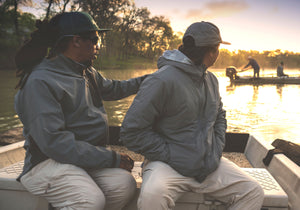

When you’re out on the riverbank facing unpredictable weather, the value of durable, properly maintained gear cannot be overstated. For UK fly anglers especially, where rain, mud and wear are almost guaranteed companions, the right care and preparation can make a significant difference. In this article, we’ll explore how to keep your equipment in top condition, focusing on waterproof fly gear and practical gear protection tips.
Why weatherproofing matters
Fly fishing gear faces a unique set of challenges: one moment you’re casting in drizzle, the next trudging through muddy bank-side, the next thrashing through reeds or wading across stones. These conditions lend themselves to accelerated wear and tear unless you take steps to protect your kit. Investing in high-quality gear is only half the story — protecting that investment is where smart angling pays off.
By focusing on gear protection tips, you’re not just prolonging the life of your kit — you’re safeguarding its performance, maintaining reliability when you need it most (that perfect cast!), and ensuring you don’t have to replace items prematurely.
Choosing genuinely waterproof fly gear
Before we dive into maintenance, it’s crucial to start with the right foundation: choosing fly fishing gear that is genuinely built to withstand the elements.
Waterproof clothing and waders
Your clothing and waders often get the hardest work: constant exposure to rain, damp, and abrasion. When shopping for waterproof fly gear:
-
Look for materials with a waterproof membrane or coating (for example, breathable fabrics with taped seams).
-
Ensure the waders are designed for UK conditions — cold, wet, variable. A breathable yet waterproof wader will help keep you dry without overheating.
-
Jackets: a lightweight, packable waterproof layer with sufficient breathability is key. Being dry inside helps you stay alert and comfortable.
Waterproof storage and bags
Your actual fly fishing tackle – flies, leaders, reels, lines – needs protection too. Choose a tackle bag or pack that is water resistant or waterproof, with sealed zippers or flaps to keep out splashes or rain. A bag that keeps your gear dry makes preparation easier, helps prevent corrosion (on reels, fittings) and avoids damp flies that won’t perform.
Durable rods, reels and lines
Even your fly rod and reel benefit from being treated as part of the “weatherproof fly gear” ecosystem:
-
The reel should be designed for demanding fly-fishing conditions, using corrosion-resistant materials or protective finishes.
-
The rod foot and all associated fittings must be durable enough to withstand frequent exposure to water, grit, and other elements encountered on the water.
-
Fly line and backing should be rinsed after exposure to muddy or salt conditions to maintain smooth performance.
Gear protection tips: practical maintenance for longevity
Having selected quality waterproof fly gear, the next step is developing habits of maintenance and care. Below are actionable gear protection tips to help your gear last.
After-each-use rinse and dry
Rain, mud, and water are particularly aggressive when mixed with grit or sand. After every trip:
-
Rinse your waders, boots and bag with fresh water after every use to remove mud, grit and mineral deposits.
-
Open all pockets, remove detachable pieces, and allow everything to air-dry thoroughly — especially waterproof membranes which can deteriorate if stored damp.
-
For reels: rinse gently (avoid fully submerging if not designed for it), wipe down metal surfaces, lightly lubricate moving parts per manufacturer instructions.
-
For rods: wipe off water, particularly around joints and guides; inspect for grit lodged in corks or joints.
-
Storage: once dry, store in a cool, dry place away from direct sunlight. Sunlight and heat can degrade materials like rubber seals, membranes, adhesives.
Dealing with mud and gritty conditions
Mud is a fly angler’s constant companion. It’s abrasive, and when left to harden, it can degrade zippers, seams and fabrics.
-
Pay attention to boots and waders: the areas where the rubber meets the fabric, or where boots fasten, are vulnerable. Inspect seams regularly.
-
Zippers and closures: flush with clean water and apply a dry-zip lubricant to keep them sliding freely and prevent corrosion.
Waterproofing treatments and reinforcements
Even the best waterproof fly gear benefits from periodic re-treatment or reinforcement.
-
Fabric waterproofing sprays: for jackets, backpacks, outer fabrics. These restore the water-beading effect on durable water repellent (DWR) finishes.
-
Seam sealers: for waders or any waterproof garment where seams or stitching may be points of ingress.
-
Footwear reinforcements: check soles and uppers for wear; replace insoles if needed
Storage and seasonal care
When the season ends (or during periods of inactivity), your gear needs more than just being stowed away.
-
Clean gear thoroughly: remove any residual salt, silt, organic matter.
-
For waders and boots: undo straps and buckles to avoid distortion.
-
For reels: store with light line tension to prevent torque or memory.
-
For fly boxes: dry before closing; flies stored damp can rust hooks or degrade materials.
-
Regularly check for any signs of wear: fraying stitching, loosening seams, oxidising metal parts. Address small issues early before they become costly repairs or replacements.
How do you protect your gear from rain, mud and wear?
Let’s answer that very question directly, with a clear, step-by-step approach.
Rain protection
-
Wear a reliable waterproof jacket and pack an extra layer to swap in if it gets soaked.
-
Use a waterproof pack or bag liner inside your tackle bag. Even if the outer shell is wet, an inner liner keeps gear dry.
-
Use covers for reels or store them in compartments of your pack that remain dry.
Mud protection
-
After returning, remove boots immediately and rinse. If you leave dried mud on fabric, it acts like sandpaper.
-
For fly boxes or packs: avoid placing them directly on the ground if muddy. Use a small clean tarp or pad if you change flies or rest gear.
Wear protection
-
Rotate your gear use where possible: swapping which waders or jackets you use to allow each to dry fully between outings extends life.
-
For reels: avoid letting the line rest wet on the spool for long periods; rinse, dry and then give a light lubrication to keep mechanisms smooth.
Common mistakes and how to avoid them
Protecting your gear from rain, mud and wear isn’t just about doing things right — it’s also about avoiding mistakes many anglers make.
Leaving gear wet or folded
One of the biggest errors is folding waterproof garments (like waders or jackets) while still damp, or storing boots with water inside. This can lead to mould, deterioration of coatings and membranes, and unpleasant smells. Always dry thoroughly before storage.
Ignoring minor damage
A small tear, a worn seam, or a zip that’s sticking may not seem urgent — but they often herald bigger failures when you’re mid-season. Inspect your gear regularly and apply repairs early (patching, seam-sealer, replacing zippers).
Overlooking boots and soles
Many top-end jackets or waders get the angler’s attention, but boots are often neglected. The outsole, lugs, and connection with the upper are subject to tremendous wear — and if your boots fail, you’re out of commission. Ensure soles aren’t worn smooth, check for loose studs or cleats, and clean mud from under the boot.
Using improper cleaning agents
Harsh detergents, bleach or fabric softeners can ruin waterproof membranes and damage coatings. When cleaning jackets or waders, use gentle, specifically designed cleaners. Rinse thoroughly and follow manufacturer recommendations.
Summary and final gear-care checklist
To wrap up: weatherproofing your fly-fishing gear is about selecting suitable kit, implementing good maintenance habits, and avoiding preventable mistakes. By doing so, you safeguard your investment and ensure your equipment performs reliably when you need it — whatever the weather.
Here’s a quick checklist you can keep in mind before and after each outing:
-
Choose waterproof fly gear built for conditions (jackets, waders, bags)
-
Use a waterproof or water-resistant bag / tackle pack
-
Rinse and dry gear thoroughly after every trip (and before storage)
-
Brush off mud and grit, especially from boots and seams
-
Apply waterproofing treatments and seam sealers periodically
-
Store gear in a cool, dry place away from direct sunlight
-
Inspect for minor damage (tears, loose stitching, worn soles)
-
Use gentle cleaners for garments; avoid harsh chemicals
-
Protect boots, boots gaiters, rod covers & reel care equally
For the dedicated fly angler — whether you’re on chalk streams, upland rivers or lakes — following these gear protection tips ensures your kit is ready when the fish are rising, the rain is driving, and you’re focused on the cast, not on your equipment failing you.
At Orvis UK, we’re committed to helping you make smart choices and keep your gear performing at its best. With the right approach to waterproof fly gear and systematic maintenance, you’ll be well-equipped to enjoy many successful seasons on the water.