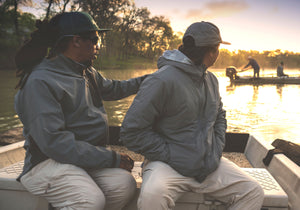

Embarking on your first guided fly fishing trip is an exciting milestone. It’s a chance to learn from an expert, explore new water, and begin building your confidence on the rod. But many new anglers wonder: How do guided trips work and how can you prepare for one? In this article, we’ll walk you through everything you need to know — from the planning stage through to your first cast — so you can make the most of your guided fly fishing experience.
What Is a Guided Fly Fishing Trip?
A guided fly fishing trip pairs you with a professional angling guide who leads you to prime water, offers instruction, and helps you adapt your tactics on the fly. The guide’s role is multifaceted: they scout productive lies, teach you casting techniques, advise on fly choice, read currents, and handle logistics (launching, safety, access, etc.). Think of them as your mentor, navigator, and companion on the river or lake.
Guided trips might be half-day, full-day, or multi-day. They may include travel to remote locations, boat support, meals, accommodation, or even travel arrangements in the case of destination fly fishing excursions.
Why Choose a Guided Trip?
-
Accelerated learning. Under a guide’s supervision, you’ll get instant feedback on your casting, drift, and presentation.
-
Access to better water. Guides know the local waters—rivers, beats, beats-of-a-river systems or lake edges—that amateurs seldom find on their own.
-
Less stress about logistics. Parking, access rights, safety, wading hazards—all are handled by your guide.
-
Greater chances of success. With their knowledge of insect hatches, fish behaviour, and water conditions, guides can help you land more fish.
-
Enjoyment and confidence. You’ll get time to focus on casting and observation, without constantly second-guessing your next move.
A good guide wants you to succeed: your enjoyment reflects well on them, and word-of-mouth is critical in the fly-fishing community.
How Do Guided Trips Work?
To demystify the process, here is how most guided fly fishing trips typically run, step by step:
Booking Your Trip
-
Select a guide or outfitter. Research local guides with good reviews, credentials, and possibly Orvis-endorsed status (in the UK, Orvis sometimes endorses guides).
-
Choose the duration. Decide whether you want a half-day, full-day, or multi-day expedition.
-
Agree logistics. Clarify meeting time and place, mode of transport, parking, meals, accommodation (if needed), and what the guide will supply vs. what you bring.
-
Provide angling details. Some guides may ask your skill level, what equipment you own, or special requests (e.g. targeting specific species).
-
Sign paperwork. Expect a waiver of liability and possibly licence requirements (e.g. river or angling permits).
-
Advance payment / deposit. Many guides require a deposit to secure your booking.
On the Day: Arrival & Setup
-
Meet at an agreed location. This may be a car park, meeting hut, or directly at river access.
-
Gear check. If you brought your own fly rod, reel, line, etc., the guide will inspect and help you rig up. If not, they may supply or lend basic gear.
-
Safety briefing. Warnings about wading, river hazards, weather, and emergency procedures.
-
Transport to water. Depending on location, you may walk, boat, or drive to the fishing spot.
-
Warm-up casting. Even before catching fish, your guide will often have you practice casting to ensure your line control and form are safe and effective.
On the Water: Learning & Fishing
-
Instruction in casting. The guide will assess your casting style and coach line management, loop shape, timing, false casting, roll casts, and more.
-
Reading water. You'll learn how to identify seams, eddies, riffles, faster water, slack water, and productive lies.
-
Fly selection & matching. Your guide will lead decisions about fly pattern, size, colour, presentation type (dry, wet, nymph, streamer).
-
Presentation & drift. How to cast upstream, let your fly drift naturally, mend line, and avoid drag.
-
Strike & playing fish. When a fish comes to the fly, your guide will instruct when and how to set the hook, how to manage drag, and how to land fish safely.
-
Walk & adjust. Many guides move along the water, selecting different stretches and adjusting strategies based on successes or failures.
-
Breaks & mid-day debrief. Time for lunch, rest, refreshers on technique, and discussing what’s working (or not).
Post-Trip: Wrap-Up & Reflection
-
Debrief. Your guide will review the day’s success, discuss what you learned, and suggest next steps.
-
Fly tying or shopping (optional). Some guides or lodges offer fly-tying lessons or stock boxes of flies.
-
Feedback & tips. You’ll often receive written or verbal feedback, and guides may share favourite flies or reading resources.
-
Tipping. While not mandatory, tipping is common; 10–20 % of the trip fee is typical if you are satisfied.
How Can You Prepare for a Guided Fly Fishing Trip?
To ensure your first experience is smooth, productive, and fun, here’s how to prepare before the day arrives.
1. Learn or refresh the basics
While guides will help, arriving with a basic understanding of fly fishing will free you to absorb more detail. Brush up on:
-
Casting mechanics (roll cast, backcast, forward cast)
-
Knot tying (e.g. improved clinch knot, surgeon’s knot, loop knot)
-
Basic entomology — common flies and hatches in your region
-
Reading currents and water structure
Use resources such as the Orvis blog and beginner tackle guides (e.g. the “Fly Fishing Tackle for Beginners” page on Orvis) to get a solid foundation.
2. Gear selection & checking
If your guide allows you to bring your own gear, here’s what you’ll want:
-
Fly line, leader, tippet
-
A small selection of flies (dry, nymphs, wets, or streamers)
-
Wading staff (optional but helpful in rough terrain)
-
Polarised sunglasses and sun protection
-
Rain gear or outer shell
-
A small pack for essentials (snacks, water, tools)
Ensure your gear is clean, in working order, lines aren’t cracked, knots are good, and your reel frees and retrieves smoothly. Pack backups (e.g. leader spools, extra tippet) if possible.
Even if your guide provides equipment, having your own allowed backup gives you confidence.
3. Physical readiness & comfort
-
Be ready to walk, wade, climb banks, or manage uneven terrain.
-
Hydrate well beforehand and bring snacks.
-
Wear layers (temperatures change) and bring waterproof protection.
-
Use well-fitting boots; consider spares of socks.
-
Know your limits; don’t overreach or overdo it on your first day.
4. Mental approach & expectations
-
Go with curiosity, not pressure. It’s a learning experience.
-
Be patient — presentations and timing can take repetition to master.
-
Listen actively to your guide’s feedback and ask questions.
-
Don’t judge success solely by fish landed — improvements in casting and understanding the water are wins too.
-
Be open to mistakes and reset. Every wasted cast is part of learning.
5. Practical prep
-
Confirm your meeting time, location, guide contact and emergency details.
-
Bring your licence or angling permit (if required).
-
Check weather forecasts, river levels, and guide-provided advice.
-
Bring a change of clothes, dry bag for valuables, and waterproof protection for camera or phone.
-
Let someone know your plans (meeting point, duration) for safety.
What Happens If Conditions Change?
Guided fly fishing isn’t always predictable — rain, water levels, wind, and fish behaviour can all shift. A good guide will adapt. Here’s how:
-
Change water stretches. If one spot isn’t working, the guide may move upstream or downstream, or to a different beat.
-
Switch fly tactics. Changing fly patterns, depth, or retrieve speed is common mid-trip.
-
Adjust presentation. You may shift from nymphs to dry flies or vice versa based on conditions.
-
Alter the pace. On tough days, your guide may reduce cast count, slow down instruction, or focus on fundamentals.
-
Safety first. In extreme weather or flood conditions, the guide might cancel or reschedule.
A flexible mindset is key — no two guided trips are identical.
Top Tips to Make Your First Guided Fly Fishing Trip a Success
|
Tip |
Why It Helps |
|
Arrive early |
To rig up and warm up without feeling rushed |
|
Be honest about your experience |
Guides can tailor their teaching to your level |
|
Ask questions (but listen first) |
Helps deepen understanding without disrupting flow |
|
Focus on fundamentals, not fancy casts |
Basic consistent casts beat flashy but erratic ones |
|
Take notes or photos |
Helps you revisit what you learned later |
|
Watch the fly, not your rod tip |
Flow and drift are key |
|
Stay relaxed and breathe |
Tension in arms leads to poor casting form |
|
Respect the environment |
Leave no trace and follow guide etiquette |
|
Thank and tip your guide |
Encouragement and appreciation go a long way |
What You’ll Likely Get Out of the Experience
When you finish your first guided fly fishing trip, here’s what you can reasonably expect to have gained:
-
A clearer understanding of casting mechanics
-
An improved ability to read water and pick likely fish holding spots
-
Insights into fly selection and presentation
-
Real feedback from an expert in real fishing conditions
-
Increased confidence to fish solo or book future trips
-
Potentially your first few catches — or at least near-misses that teach
-
A new list of goals and techniques to practice
Even if you don’t land many fish, education and memory are invaluable. Many successful fly anglers point to their first guided trip as a turning point.
Guided Fly Fishing Across the UK — What Makes It Special
The UK offers a fantastic variety of guided fly-fishing opportunities — chalkstreams in Hampshire, upland rivers in Scotland and Wales, lochs and reservoirs, estuaries, and even sea trout beats. A local guide can tailor your experience to species (trout, grayling, salmon, sea trout), water type (small river, big river, stillwater), and season.
Working with a UK-based guide means you benefit from local knowledge: insect hatches, river peculiarities, tides (if coastal), and weather patterns. A UK guide also often handles permits, access rights, and local regulations, which can be surprisingly intricate.
What Does It Mean to Be Orvis-Endorsed?
Trusted Expertise and Local Knowledge
Selecting the right guide or outfitter is one of the most important steps in planning a successful fishing trip.
Take time to find someone local with great reviews and the right experience for the kind of fishing you want to do.
If you can, look for an Orvis-Endorsed Guide — trusted professionals who’ve been carefully vetted by Orvis for their expertise, hospitality, and commitment to conservation.
In the UK, that could mean:
-
A salmon specialist on the River Tay
-
A chalkstream guide on the Test or Itchen
-
A stillwater instructor in Scotland or Wales
You can browse them all here: Orvis Endorsed Guides UK.
If you’re travelling abroad, Orvis also partners with an incredible network of Endorsed Guides and Lodges around the world — from bonefishing in the Bahamas to trout fishing in Montana. You can explore global options with Orvis Adventures.
The Orvis-Endorsed Difference
Our Orvis-Endorsed Partners represent the best fly-fishing and wingshooting lodges, outfitters, and guides in some of the world’s most exceptional destinations.
These operations are vetted and selected by experts who bring their extensive experience in fly fishing, wingshooting, and travel to identify the finest experiences worldwide.
Not only do we choose partners who are best-in-class, but we are proud to work exclusively with those who share Orvis’s core values:
-
Authenticity
-
Passion
-
Personal connection
-
Inviting environments
-
A commitment to fun
Equally important, our Orvis-Endorsed Partners prioritise the health of the natural environment and serve as leaders in conservation — ensuring the waters and landscapes we love are protected for future generations.
Final Thoughts
Your first guided fly fishing trip is a wonderful investment in your angling journey. With the right mindset, a bit of preparation, and a collaborative attitude, you’ll get far more from the experience than just fish. You’ll gain skills, confidence, stories, and — above all — a deeper appreciation for the art of fly fishing.
Whether you’re casting on a chalkstream in Hampshire, a Scottish highland river, or a tranquil loch under a broad sky, a great guide becomes your window into the sport. Be present, listen, practice, and stay curious — and you’ll emerge from your first guided fly fishing trip exhilarated and eager for the next one.
If you’d like, I can also create a version tailored for a specific region (e.g. Scottish Highlands, Welsh uplands, etc.) or break this into a “pre-trip checklist” infographic for your website. Do you want me to adapt this further?