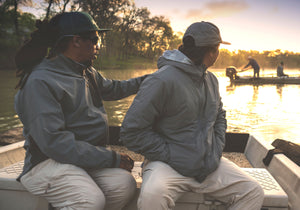

When you’re out on the river or lake in the UK, choosing the right fly size can make all the difference. At Orvis UK, we believe in combining practical rig-setups with thoughtful tactics, not just piling on gear. In this article we’ll focus on fly size selection and fishing water clarity—two key factors that go hand-in-hand and can elevate your success on the water.
We’ll explore questions like: How do water clarity and depth affect fly size choice? And we’ll offer a guide to making smart adjustments to your fly size according to conditions.
Why Fly Size Matters
Selecting the right fly size isn’t just about matching a hatch (though that is important) — it also matters because fish are strongly influenced by their environment. A fly that’s too large may spook wary fish in clear, shallow water; one that’s too small may simply go unnoticed in stained water. On the other hand, the right size improves presentation, makes your fly look “natural”, and helps trigger strikes when fish are selective.
From our beginner tackle guidance at Orvis UK, we emphasise not overcomplicating things: start with versatile gear and make thoughtful choices. Orvis UK The same applies when selecting fly size: base your decision on observation and adapt to what the fish and water are telling you.
Understanding Water Clarity and Depth
Before diving into fly size selection, let’s unpack the two environmental factors we’re focusing on:
What do we mean by water clarity?
Water clarity refers to how well you can see through the water. Clear water means minimal suspended particles or coloured dissolved matter; murky or stained water means visibility is reduced. One technical definition: coloured dissolved organic matter (CDOM) absorbs light and shifts water colour toward yellow/brown, reducing clarity.
In angling terms, clearer water means fish can see better and are more cautious; lower clarity means fish rely less on sight and more on other senses. One article notes: “water colour and clarity play a big part in determining fly size and colour.”
Why does water depth matter?
Depth changes how much light penetrates, how your fly is presented and how fish view it. In shallow, well-lit water fish may be alert and selective. In deeper or shaded water fish may be less cautious but the visual component is reduced. Depth also influences whether you’re using dry flies, wet flies, nymphs or streamers, and therefore the sizes you’ll choose.
How Do Water Clarity and Depth Affect Fly Size Choice?
Now to the heart of the matter: fly size selection in relation to clarity and depth.
Clear, shallow water — go smaller and subtler
When fishing in clear water where visibility is high, fish become visually selective. In these conditions:
-
Opt for smaller flies, which appear more natural and less threatening. Some commentary suggests that in gin-clear, calm water the fish may pick out the smaller, less obvious prey over larger items.
-
Use subtle patterns and realistic sizes.
-
In shallower areas (where depth is less), a smaller fly will drift more naturally, have less weight and appear more credible to fish.
-
Because fish can see the fly and you clearly in clear water, presentation is crucial: a fly that’s too large can trigger spooking or refusal simply because it looks oversized or unnatural.
Stained or deeper water — go larger (or heavier) prioritising visibility
When the water clarity drops or you’re fishing deeper water:
-
Choose a slightly larger size or a fly with more bulk/flashing which helps in low-visibility conditions. The idea is the fish may not scrutinise the fly as closely, but you need to make your fly detectable.
-
Since depth reduces light and visual acuity, larger flies or heavier flies can also help you reach where the fish are.
-
In deeper pools you might also use nymphs or streamers of larger profiles to trigger aggressive strikes rather than subtle takes.
-
The key is balancing visibility and credibility: you don’t want to go so large as to look unnatural, but you must account for reduced visual cues.
Relationship between clarity, depth and fly size — a tactical matrix
You can think of the relationship like this:
|
Condition |
Water clarity |
Depth |
Fly size advice |
|
Highly clear & shallow |
Very good visibility |
Shallow |
Use smaller flies, realistic size, subtle movement |
|
Clear but deeper or shaded |
Good visibility but light reduced |
Moderate depth |
Slightly larger size/weight, still realistic |
|
Stained/murky or moderate depth |
Reduced visibility |
Moderate to deep |
Larger flies/flashing materials to attract attention |
|
Very stained or deep water |
Poor visibility |
Deep |
Use larger profiles or aggressive patterns, possibly streamers |
This tactical matrix helps you match fly size selection to the conditions you face.
Practical Guidelines for Anglers
Here are actionable guidelines you can apply when you’re out fishing, whether you’re starting with your fly box or refining your tactical approach.
1. Observe the water and fish behaviour
Before tying on a fly, take a moment to observe:
-
How clear is the water? Can you see the bottom? How far can you see down or across the surface?
-
What depth are you fishing? Are you wading in shallow runs, or casting into deep pools?
-
Are fish visible? Are they rising or feeding on the surface, or staying deep and cautious?
This mirrors the beginner advice from Orvis UK: look at your environment, check your tackle and adapt accordingly.
2. Match your fly size to the hatch and the conditions
-
If you’ve identified insects: try to match their size to your fly (as one guide recommended).
-
Then overlay the environmental factor: clear water = lean toward smaller; stained/deep = lean toward larger and more visible.
-
If you’re unsure what insect is present, err on the side of realism in clear water, or visibility in murky/deep water.
3. Adjust leader, tippet and presentation to fly size
Selecting fly size isn’t just about the fly—it also affects your rig:
-
A smaller fly often needs a finer tippet and better stealth; fish in clear water will spot larger flies or thick tippets more easily.
-
A larger fly in stained water can be presented on a robust tippet (within reason) and may require a slightly heavier leader to get down or maintain control.
4. Change size when conditions shift
Conditions on rivers and lakes change: rainfall, colour of water, light levels, depth of holding water. If the clarity drops (after rain), don’t keep using tiny flies expecting the same results. Increase size/visibility accordingly. If clarity improves, perhaps drop back to smaller. In deeper pools, even if the water is clear, consider fish may be deeper and less selective visually—so adjust size or profile accordingly.
5. Keep a range of sizes ready
You’ll never know exactly what the fish will take until you’re on the water. So carry a spectrum of flies: small realistic ones (e.g., size 16-20 for midges, mayflies) for clear shallow conditions; medium ones (size 12-16) for general conditions; and larger ones (size 8-12 or streamers) for deeper or murkier water. O
Case Study Examples
Here are a couple of applied scenarios to show how this works in practice:
Scenario A: Chalkstream in high clarity
You’re fishing a classic English chalk stream, water is gin clear, depth is shallow to moderate (say 1–2 metres). The aquatic insects are small midges and maybe mayflies. In this case:
-
Use smaller flies (size 18-20), subtle dry flies or small emergers.
-
Use fine tippet, stealthy presentation, minimal disturbance.
-
Because clarity is excellent and fish are cautious, a larger fly may spook them.
Scenario B: After rain, stained water in deeper pool
The water has turned tea-coloured from upstream rainfall, visibility is reduced. You’re now fishing into a deep pool (maybe 3–4 m plus). In this case:
-
Increase fly size (size 10-12) and consider patterns with more profile or movement (nymphs, wet flies, streamers).
-
Use a slightly heavier rig if needed to reach depth, but still present naturally.
-
Fish may rely less on detecting fine detail and more on the silhouette of the fly—so size and movement become more critical than perfect imitative detail.
Summary & Key Takeaways
Here are the core takeaways for you as an angler using Orvis equipment:
-
Always start by assessing fishing water clarity and depth. These two factors guide your fly size selection.
-
In clear water and shallow depth, go smaller and more subtle — fish are selective and visibility is high.
-
In stained or deep water, go larger or more visible, and possibly deeper – fish detect less visually so you compensate via size/profile.
-
Don’t forget to adjust your leader/tippet and presentation accordingly—fly size is part of the whole setup.
-
Carry a range of sizes, stay adaptable, and adjust as conditions change during your session.
-
Remember, size alone isn’t everything—matching the hatch (where you can), using proper presentation, and reading the water remain essential. The fly size decision is tactical, one piece of a broader approach.
At Orvis UK we believe in empowering anglers of all levels to make thoughtful, condition-based choices—not just rely on gear alone. By mastering fly size selection in relation to water clarity and depth you’ll give yourself a tactical edge on British rivers and lakes.
Tight lines and enjoy the water!